
Skip links

Understand the Causes of Hair Loss in Men

Identify the reasons behind your hair loss and explore personalized solutions.

Male Pattern
Baldness Chart

Class 1

There is no visible hair loss.

Class 2

The hairline begins to recede with some recession in the temple region.

Class 3

There is a significant decline in the amount of hair above the temples and forehead. At its peak, class 3 includes significant hair loss on the crown.

Class 4

The hair loss has become more noticeable on the crown, or patients may have significant hair loss above the temples and/or forehead.

Class 5

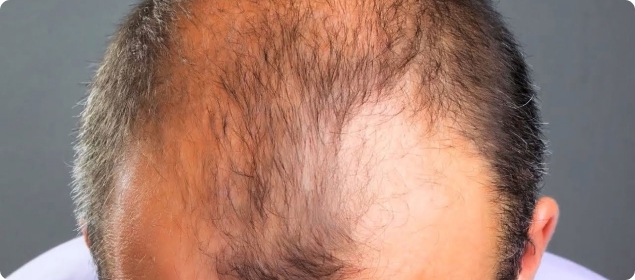
The hair loss now affects the front and back of the scalp. Only a small area of the front hairline remains, and a large balding area exists on the top of the scalp.

Class 6

At this point, the hair loss is so advanced that the hair bridging the sides of the head is nearly or completely gone. There may still be sufficient donor hair for transplantation, but results may be limited.

A Male Pattern Baldness Chart, often referred to as the Norwood-Hamilton scale, is a visual guide used to classify and track the progression of male pattern hair loss. It illustrates different stages of balding, ranging from minimal hair loss to advanced baldness. This chart helps individuals understand their hair loss pattern and potentially discuss treatment options with healthcare professionals. Lorem ipsum dolor sit amet, consectetur adipiscing elit, sed do eiusmod tempor incididunt ut labore et dolore magna aliqua. Ut enim ad minim veniam, quis nostrud exercitation ullamco laboris nisi ut aliquip ex ea commodo consequat. Duis aute irure dolor in reprehenderit in voluptate velit esse cillum dolore eu fugiat nulla pariatur. Excepteur sint occaecat cupidatat non proident, sunt in culpa qui officia deserunt mollit anim id est laborum.

Types of Hair Loss

Learn about the most common types of hair loss in men, including:

Androgenetic Alopecia

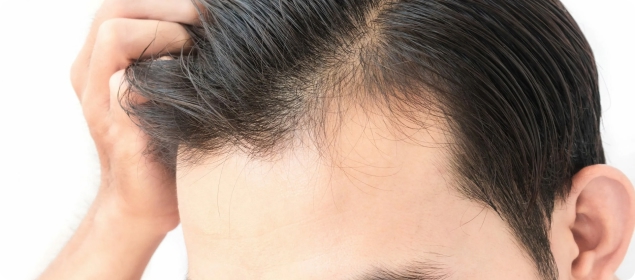
The most prevalent form of male pattern baldness, typically beginning with receding hairlines and thinning on the crown. Lorem ipsum dolor sit amet, consectetur adipiscing elit, sed do eiusmod tempor incididunt ut labore et dolore magna aliqua. Ut enim ad minim veniam, quis nostrud exercitation ullamco laboris nisi ut aliquip ex ea commodo consequat.

Telogen Effluvium

Often triggered by stress, illness, or medication, leading to temporary, diffuse hair shedding. Duis aute irure dolor in reprehenderit in voluptate velit esse cillum dolore eu fugiat nulla pariatur. Excepteur sint occaecat cupidatat non proident, sunt in culpa qui officia deserunt mollit anim id est laborum.

Alopecia Areata

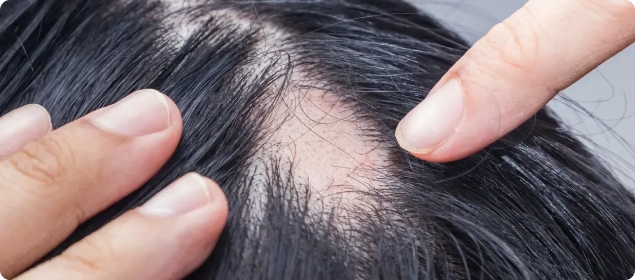
An autoimmune condition that causes patchy hair loss. Ut enim ad minim veniam nostrud exercitation ullamco laboris nisi ut aliquip ex ea commodo consequat reprehenderit in voluptate velit esse cillum dolore eu fugiat nulla pariatur occaecat cupidatat non proident, sunt in culpa qui officia deserunt mollit anim id est laborum.

Traction Alopecia

Is hair loss caused by prolonged pulling or tension on the hair, often from tight hairstyles like braids, ponytails, or extensions. It usually affects the hairline or temples. Prevention involves avoiding tight styles and reducing strain on hair. Early treatment can reverse damage; severe cases may require medical intervention.

Each type of hair loss has unique characteristics and may require different approaches for treatment.

Wondering which treatment is right for your type of hair loss?

Book a free orientation today to receive a personalized assessment and discover the best solutions for your unique needs.

Causes of Hair Loss

Explore the major causes of hair loss to gain insights into why it occurs:

Genetics

Hereditary hair loss, primarily androgenetic alopecia, is the most common cause, where genes determine hair thinning patterns.

Hormonal Changes

Hormones like DHT (dihydrotestosterone) play a key role in hair thinning and follicle miniaturization, especially in genetic cases.

Stress and Lifestyle

Hereditary hair loss, primarily androgenetic alopecia, is the most common cause, where genes determine hair thinning patterns.

Medical Conditions

Health issues like thyroid disorders and autoimmune diseases, such as alopecia areata, can lead to hair loss.

Nutritional Deficiencies

Lack of essential nutrients, including iron, zinc, and vitamins like B12, directly impacts hair health, making it thin and brittle.

Inflammatory disorder

Conditions like alopecia areata or lupus cause scalp inflammation, disrupting hair growth and leading to hair loss. Early treatment helps minimize damage.

Congenital Causes

Genetic conditions or birth defects can result in patchy or absent beard, mustache, or sideburn growth.

Accidents

Scarring from injuries, burns, or surgeries may damage hair follicles, leading to localized hair loss.

Solutions and Treatment: Hair Restoration Options

There are several effective treatment options for managing hair loss, including both surgical and non-surgical methods:

Surgical Solutions

Surgical Solutions

Hair transplants, such as FUE and FUT, offer permanent solutions by relocating healthy follicles to thinning areas.

Non-Surgical Options

Non-Surgical Options

PRP therapy, laser therapy, and specialized topical treatments help stimulate and maintain hair growth without surgery.

Medical Options

Medical Options

Finasteride and minoxidil are popular FDA-approved treatments. Finasteride blocks DHT to prevent further hair loss, while minoxidil stimulates hair growth.

Lifestyle Changes

Lifestyle Changes

A nutrient-rich diet and healthier lifestyle can promote hair growth and prevent further hair thinning.


Start your journey toward hair restoration today

Schedule a consultation to explore the right treatment plan tailored to your needs.

Preventive Measures

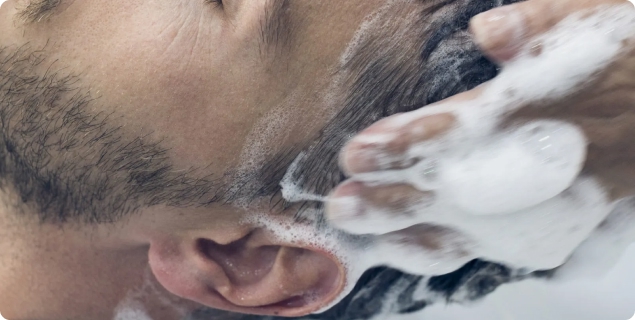
Preventing hair loss before it begins is crucial. Regularly using gentle hair care products, minimizing heat styling, and protecting hair from harsh UV rays can help maintain its health and resilience.

Life style changes

Follow these tips to promote healthy hair and reduce the risk of further loss:

Eat a balanced diet rich in protein, iron, and vitamins.

Avoid excessive styling, heat treatments, and chemical processing.

Reduce stress through regular exercise, meditation, or other relaxation techniques.

Keep your scalp clean and well-moisturized to promote strong hair growth.

Preventing hair loss before it begins is crucial. Regularly using gentle hair care products, minimizing heat styling, and protecting hair from harsh UV rays can help maintain its health and resilience.

Start your improvement now

Take the First Step to Fuller, Healthier Hair – Schedule Your Consultation!